Costa Rica is small enough to cross in a day and varied enough to need three wardrobes.
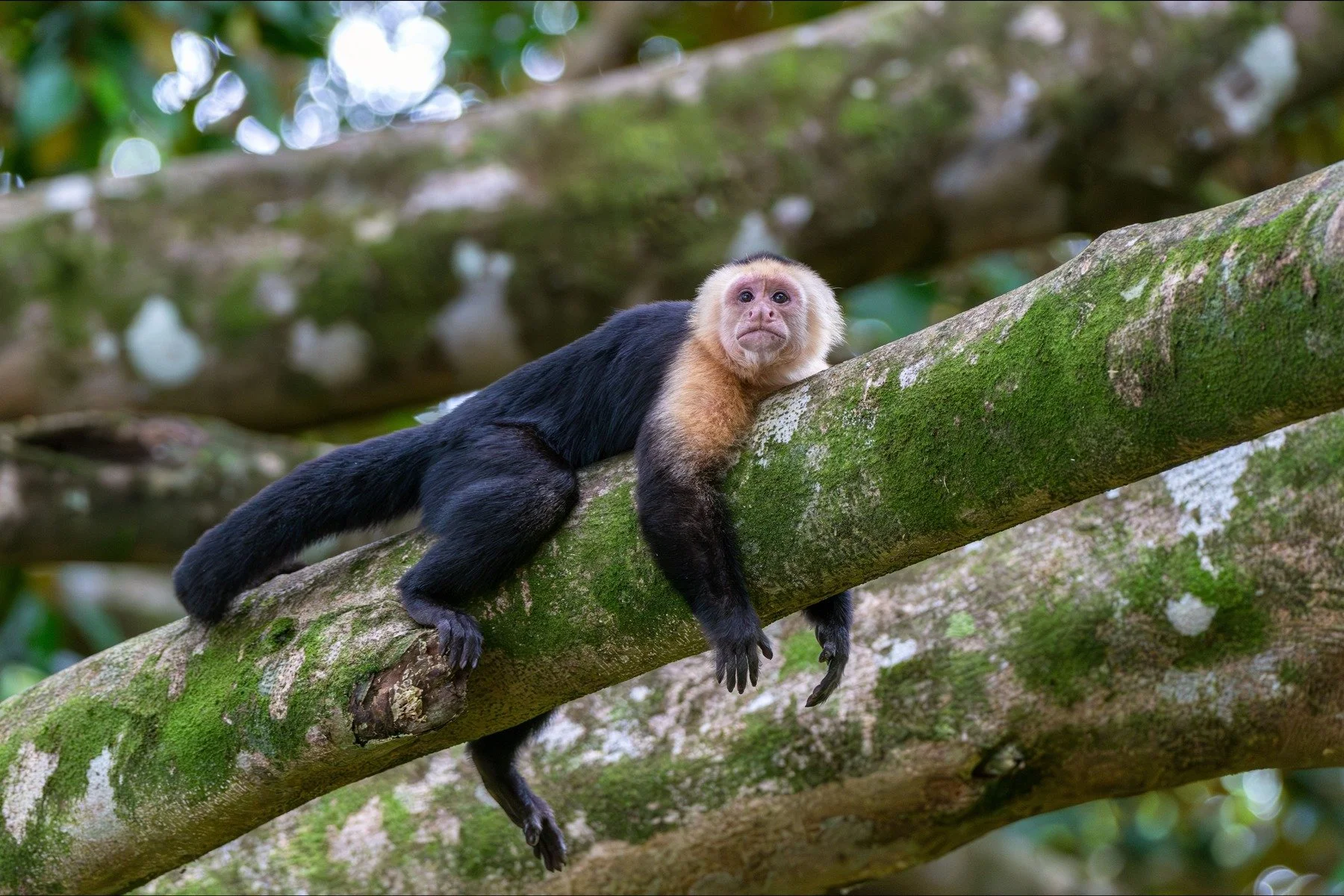
In a single trip, you might wake to howler monkeys in a lowland rainforest, wrap up in a sweater in the misty cloud forest of Monteverde, and finish the week barefoot on a Pacific beach. The dry season, from about December through April, brings the sunniest skies of the year, which makes it a favorite for spring break. Even so, "dry" in Costa Rica is a relative word. The rainforest earns its name in every season.
The secret is to pack light, pack layers, and pack for wildlife. Here is the list I share with my own travelers.
Clothing
Quick-dry shirts and pants. Humidity means cotton stays damp for days. Lightweight synthetics, merino, or breathable linen dry overnight.
One pair of lightweight long pants and a long-sleeved shirt. For rainforest hikes, night walks, and keeping insects at bay. Neutral colors like khaki, olive, and tan are kind to wildlife watching.
A warm layer. A fleece or light sweater for the cloud forest and highlands, where evenings get surprisingly cool.
A packable rain jacket. Even in dry season, a passing shower in the rainforest is likely.
Two swimsuits. One to wear while the other dries.
A cover-up or sundress, plus one nicer outfit. Dinners at most lodges are relaxed, but a linen shirt or easy dress is perfect for an evening out.
A wide-brimmed hat and sunglasses. The tropical sun is strong, especially on the Pacific coast.
Footwear
Hiking shoes with good grip. Trails can be muddy, rooty, and steep, especially around volcanoes and waterfalls.
Water sandals. For river crossings, waterfall swims, and beach days.
Easy sandals for evenings. Something light for the lodge.
Wildlife and adventure gear
Binoculars. My number one item for Costa Rica. Sloths, toucans, and quetzals love to sit high in the canopy, and binoculars turn a green blur into a moment you will remember.
A headlamp or small flashlight. For night walks to find tree frogs, tarantulas, and sleeping birds. A red-light setting is gentler on wildlife.
A dry bag or waterproof phone case. For boat rides, rafting, and sudden showers.
A small daypack. To carry water, a rain layer, and snacks on excursions.
A reusable water bottle. Many lodges offer filtered water refill stations.
Health and toiletries
Reef-safe sunscreen. SPF 30 or higher, and kinder to the coral and marine life along both coasts. Personally, I love Blue Lizard if you tend to burn!
Insect repellent. Mosquitoes are around all year, especially on the coasts and in the lowlands.
After-sun aloe and a small first aid kit. Bandages, blister care, and anything you might need for motion sickness on winding mountain roads.
Prescription medications in their original containers. Plus a copy of your prescriptions.
Documents and money
Your passport. It must be valid for your entire stay, and many travelers and airlines prefer six months of validity for peace of mind.
Proof of your return flight. Airlines may ask for it at check-in.
Travel insurance details. I require it for every journey I plan, and it is worth having for any adventure travel.
A credit card and some small cash. Cards work widely, and small bills in US dollars or colones are handy for tips for guides and drivers.
Good news for US travelers: Costa Rica uses the same plugs and voltage as home, so you can leave the adapter behind.
What to leave at home
Jeans. Heavy and slow to dry in the humidity.
Bright white clothing. Mud and red clay have other plans for it.
Too many shoes. Three pairs cover nearly everything.
Drones. Many national parks restrict them, and they disturb wildlife.
Packing by region
Arenal and the rainforest: quick-dry clothes, rain jacket, hiking shoes, binoculars, repellent.
Monteverde and the cloud forest: warm layer, long pants, rain jacket, headlamp for night walks.
Guanacaste and the Pacific coast: swimsuits, hat, reef-safe sunscreen, water sandals.
The Caribbean coast and Tortuguero: light long sleeves, extra repellent, a dry bag for canal boat rides.
Leave room for the good stuff
Save space in your bag for what you will want to bring home: Costa Rican coffee, small-batch chocolate, and handmade crafts from local artisans. Buying directly from the people who make them is one of the best ways to support the communities you visit.
Plan your Costa Rica journey
Knowing what to pack is the easy part. Choosing which corners of Costa Rica fit you best, from the volcano to the cloud forest to the coast, is where the magic happens.
Explore my Costa Rica destination page and when you are ready, book a consultation. Every traveler I plan for receives a personalized packing list and know-before-you-go guide for their trip.